Generative AI isn’t just a buzzword—it’s a game-changer. Whether you’re an artist, writer, marketer, or just someone curious about the future, you’ve likely noticed the buzz. But what does it really mean for creativity? Let’s dive in.
What Is Generative AI?
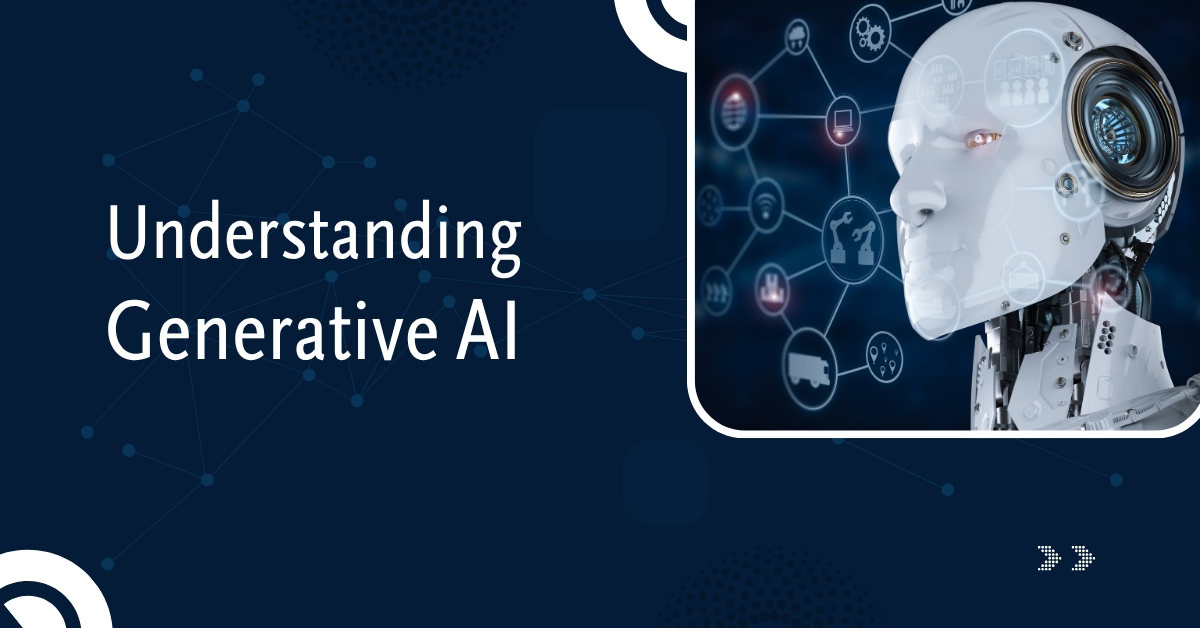
Generative AI refers to systems that can create new content—be it text, images, music, or even code—by learning patterns from existing data. Think of it as a digital artist that learns from the world and then creates something new.
How Does It Work?
At its core, generative AI uses models like transformers and diffusion networks. These models are trained on massive datasets, allowing them to generate content that mimics human creativity. It’s like teaching a machine to understand the nuances of art or language. Global Skill Development Council
Generative AI in Creative Industries
Film & Animation
AI is transforming storytelling. Studios are using AI to generate scripts, create visual effects, and even assist in animation. While some purists are skeptical, many see AI as a tool to enhance creativity, not replace it. The Guardian
Music & Sound Design
From composing original tracks to designing soundscapes, AI is making waves in the music industry. However, there’s a catch—some studies suggest that while AI can boost the quality of individual ideas, it might limit the diversity and novelty of the ideas generated. Penn Today
Visual Arts & Design
Artists are collaborating with AI to produce stunning visuals. Tools like Midjourney and DALL·E allow creators to generate images based on text prompts, opening up new avenues for artistic expression. Global Skill Development Council
The Benefits of Generative AI
Enhanced Productivity: AI can handle repetitive tasks, allowing creatives to focus on the big picture.
Personalization at Scale: Marketers can create tailored content for audiences without the manual effort.
New Creative Possibilities: AI introduces concepts and styles that humans might not have considered.
The Challenges and Ethical Considerations
While AI offers exciting possibilities, it’s not without its concerns:
Job Displacement: Some fear that AI could replace human jobs in creative fields.
Copyright Issues: AI-generated content raises questions about ownership and originality.
Bias in AI: If AI is trained on biased data, it can perpetuate those biases in its creations.
Navigating the Future: Human-AI Collaboration
The key isn’t to see AI as a replacement but as a collaborator. By combining human intuition with AI’s computational power, we can push the boundaries of creativity. It’s about finding the balance between technology and human touch.
Frequently Asked Questions
Q: Can AI truly be creative?
A: AI can generate content that mimics creativity, but whether it possesses true creativity is still up for debate.
Q: Will AI replace human artists?
A: Unlikely. While AI can assist in the creative process, human emotion and intuition remain irreplaceable.
Q: How can I start using generative AI?
A: Explore tools like ChatGPT for writing, DALL·E for image generation, or Jukedeck for music composition.